Excavation That Meets Code Before Inspection
Utility Trenching in Boise for water, sewer, and electrical systems that require precise depth and coordination with contractors
All Set Construction performs utility trenching for new construction and property upgrades in Boise, ensuring trenches are dug to the depth and alignment your water, sewer, or electrical installation requires. You need this service when connecting a new building to municipal systems, replacing failing laterals, or adding service lines to an existing property. The trench must meet code for depth and bedding, and it must be ready when the installer arrives so work doesn't stall.
This work involves coordinating with your plumber, electrician, or utility contractor to confirm trench dimensions before digging begins. The crew marks the route, calls for locates, and cuts the trench to match the slope or grade required by the system being installed. In Boise, where utility codes specify frost depth and minimum cover, the trench has to go deeper than surface conditions might suggest, and the operator checks grade continuously to avoid rework.
If you're planning utility installation or dealing with a service line that needs replacement, contact All Set Construction to walk through trench specs and timing with your contractor team.
What Happens Between Excavation and Backfill
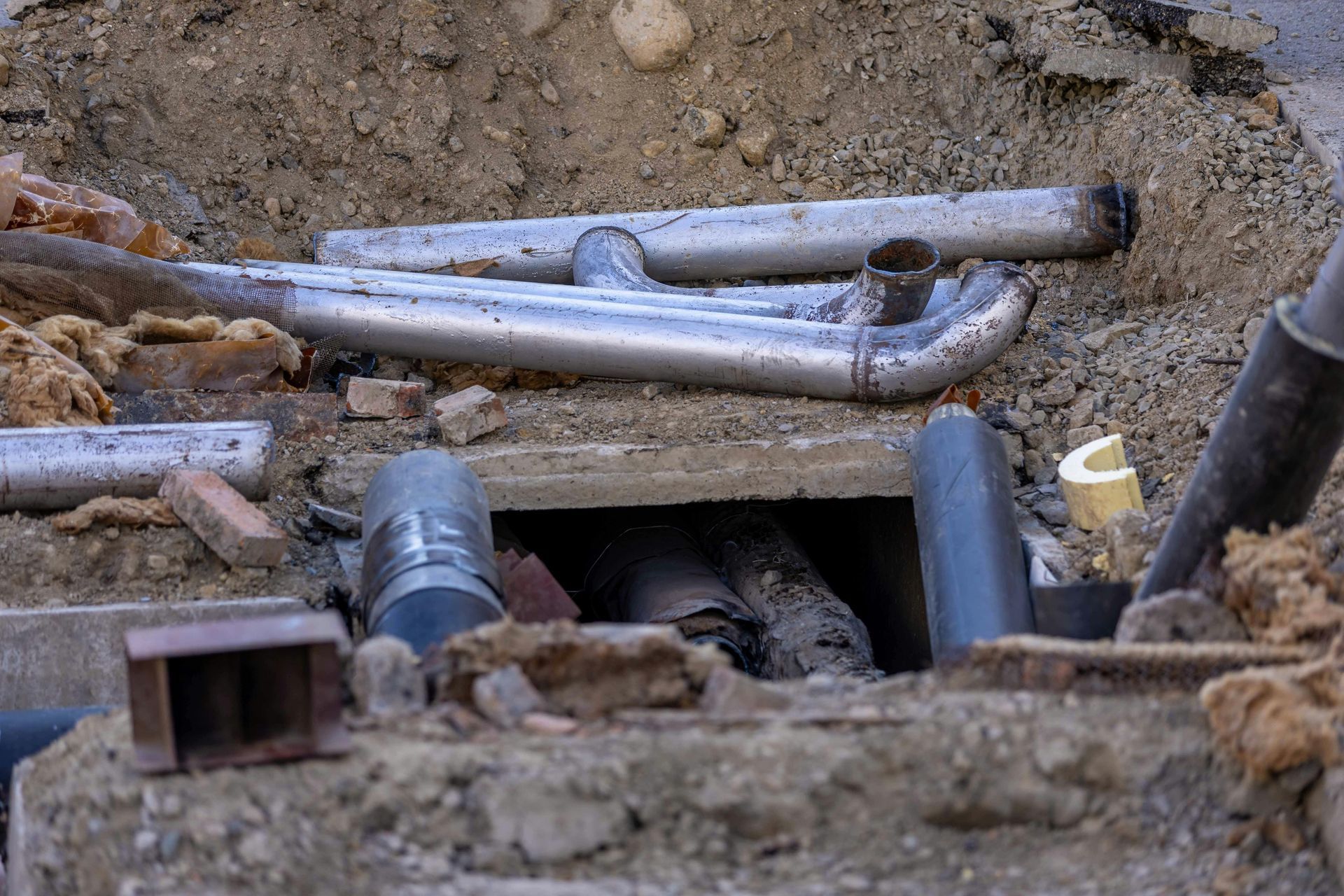
You'll see the trench cut along a staked or painted line, with depth confirmed by measuring from grade to trench bottom at multiple points. The operator keeps walls vertical or sloped depending on soil type and trench depth, and spoil is placed where it won't interfere with pipe handling or inspector access. Bedding material, if required, is placed after the trench passes inspection but before the pipe goes in.
After your utility contractor lays the line and calls for inspection, you'll have a trench that's clean, stable, and ready for backfill. All Set Construction returns to place and compact fill in layers, ensuring no voids are left under driveways, sidewalks, or landscaping. You won't see depressions or sinking along the trench line after the site is restored.
Trenching for pressurized water lines differs from gravity sewer work—water trenches are level or follow terrain, while sewer trenches must maintain consistent fall toward the main. Electrical conduit trenches are shallower but require warning tape and specific cover depth. The crew adjusts trench profile to match the system, not a one-size default.
Details Property Owners Ask About Before Trenching Utilities
Here are answers to questions that come up during planning and execution of utility trenching projects in Boise.
- What depth is required for water and sewer lines in Boise? Water service lines typically go 36 to 48 inches deep to stay below frost line, while sewer laterals are dug to match the depth of the main connection plus required fall per foot of run.
- How does All Set Construction coordinate with utility installers? The trenching schedule is set after the installer confirms pipe delivery and inspection availability, and the trench is left open only as long as needed to avoid wall slumping or safety risks.
- When is shoring or sloping required in a utility trench? OSHA requires protection for trenches deeper than five feet, so the crew either slopes walls back at a safe angle or installs trench boxes, depending on soil type and available space on site.
- Why does bedding material go under some utility lines? Sand or gravel bedding provides uniform support, prevents pipe movement, and protects against rocks that could crack or deflect the line during backfill compaction.
- What happens if the trench encounters rock or old foundations? The crew notifies the property owner and installer, then uses a hydraulic hammer or adjusts the trench route if rock removal would exceed budget or delay the project significantly.
All Set Construction works across Boise on projects that range from single-line water services to multi-utility trench runs for new subdivisions. Reach out at (208) 585-8860 to schedule utility trenching and confirm how it fits into your construction timeline.