Slopes and Surfaces Built to Drain Correctly
Grading in Boise for eliminating water pooling, preventing erosion, and creating level building surfaces
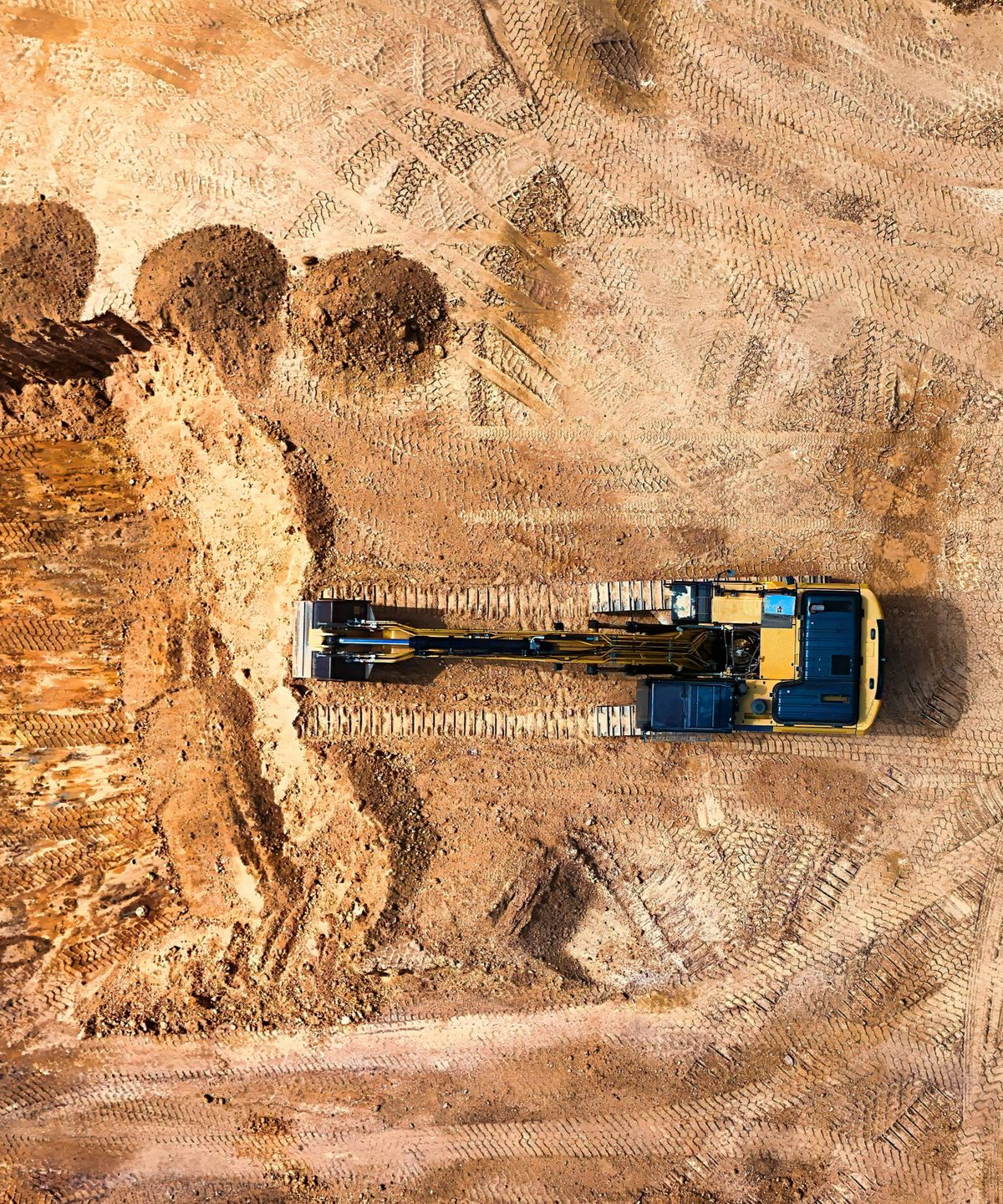
All Set Construction provides grading services across Boise for projects that need precise slope control, drainage correction, or level surfaces for construction. You're working with operators who use laser-guided equipment to shape ground to exact elevations, ensuring water flows away from structures and doesn't collect in low spots that cause mud, erosion, or foundation problems. The work involves cutting high areas, filling depressions, and building consistent slopes that function correctly whether you're preparing for a foundation pour, driveway installation, or landscape finish.
Grading is more than pushing dirt into place. It requires establishing benchmark elevations, calculating slope ratios that meet code and site conditions, and moving soil in a sequence that maintains stability and avoids over-excavation. A two-percent slope is standard for most flatwork and lawn areas, but steeper grades may be needed near buildings or drainage structures depending on lot layout and existing terrain. Proper grading accounts for settling, compaction loss, and seasonal moisture changes that affect final surface elevations.
Contact All Set Construction to review your site layout and develop a grading plan that addresses drainage issues and prepares surfaces for your next project phase.
Laser Levels and Multi-Pass Finishing
You'll see grading equipment fitted with laser receivers that maintain blade height relative to a rotating laser set at project datum, ensuring cuts and fills hit target elevations across the site. All Set Construction makes multiple passes to smooth transitions, blend grade changes, and eliminate ridges or depressions that disrupt water flow. Final passes use grading rakes or box blades to achieve a clean finish suitable for landscaping or construction layout.
After grading is complete, you'll notice water that hits the surface runs toward designated drainage points instead of pooling near foundations or sidewalks. The ground is level where you need it flat and sloped where drainage matters, with transitions smooth enough that they're barely visible once grass or hardscaping is installed. Elevations match project plans, so concrete contractors, landscapers, or utility crews can work without height corrections or rework caused by incorrect slope.
The work includes rough and finish grading to specified elevations but does not include topsoil placement, seeding, or drainage structure installation. Final grade is verified with optical or laser levels before site handoff, and any adjustments needed during construction are addressed as they arise.
Grading Questions That Come Up Frequently
Grading involves technical details that affect how well your site drains and how long surfaces last without settling or erosion problems.
- What slope percentage is needed to prevent water from pooling? A minimum two-percent slope, or one-quarter inch per foot, ensures water moves off surfaces and doesn't collect, with steeper slopes used in areas with heavy runoff or poor soil drainage.
- How is final grade elevation determined for a building pad? Grade is set based on foundation plans, existing site elevations, and local code requirements for height above natural drainage paths, with adjustments made for soil type and compaction.
- When should grading happen relative to utility installation? Rough grading typically happens before utilities are trenched, with finish grading completed after utilities are backfilled to ensure trenches are compacted and surfaces are smooth.
- Why does proper grading prevent foundation and landscape problems? Correct slope directs water away from footings and retaining walls, preventing hydrostatic pressure, soil saturation, and erosion that undermine structures and kill plantings.
- What grading challenges are common in Boise? Clay soils hold water and require careful slope design to prevent standing water, while sites with significant elevation change need cut-and-fill balancing to avoid excessive material import or hauling costs.
All Set Construction uses reliable grading equipment and proven techniques to deliver surfaces that drain correctly and meet your project specifications. Reach out to schedule a site review and confirm the grading scope for your residential or commercial project.