Excavation and Installation for Reliable Wastewater Management
Septic System Installation in Boise for rural and suburban properties without access to municipal sewer
All Set Construction provides complete septic system excavation and installation in Boise, preparing your property for wastewater management that meets health department requirements and functions reliably for decades. You get excavation for tanks, drain fields, and distribution lines, along with installation that accounts for soil conditions, slope, and setback distances from wells, property lines, and structures. The work ensures wastewater is treated and dispersed safely, preventing backups, odors, and contamination of groundwater.
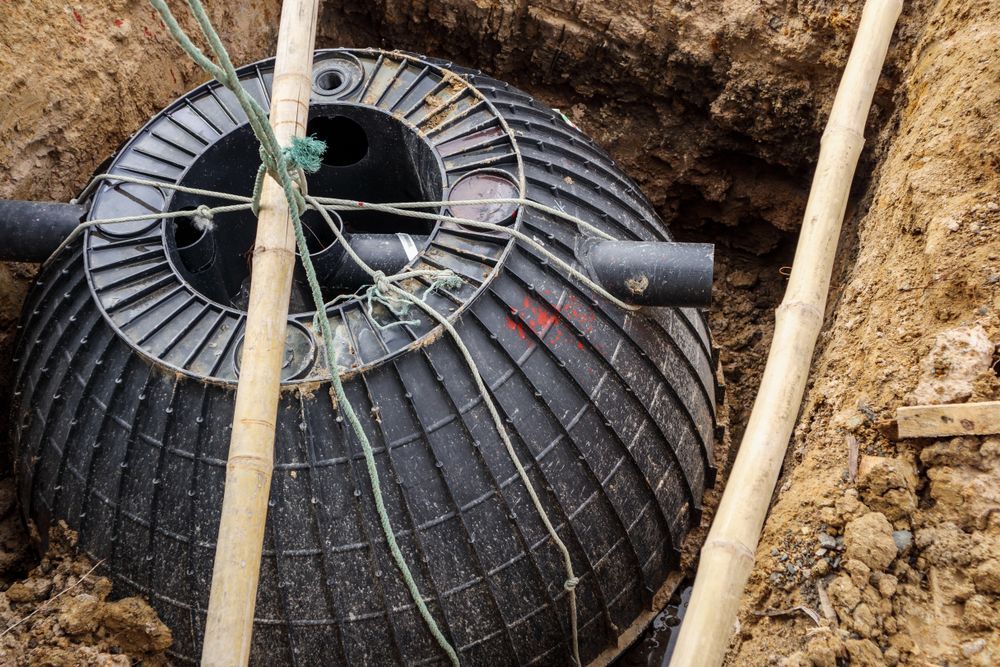
Septic installation begins with excavation for the tank, typically a concrete or fiberglass unit buried four to six feet below grade. The crew then digs trenches for the drain field, where perforated pipes distribute treated effluent into surrounding soil. In Boise, soil percolation rates and clay content determine drain field size and design, with some sites requiring additional gravel or engineered fill to improve drainage. Excavation must follow precise elevations to ensure gravity flow from the home to the tank and from the tank to the drain field. The system is tested and inspected before backfilling to confirm proper function.
If you're building on a property without sewer access in Boise or replacing a failing septic system, contact All Set Construction to schedule a site evaluation and installation estimate.
Installation That Meets Code and Site-Specific Soil Conditions
You need a septic system installed at the correct depth and slope, with components positioned to meet setback regulations and drainage requirements. The crew excavates trenches and tank pits using backhoes and excavators, grades the site to ensure gravity flow, and places tanks level to prevent uneven settling. Distribution lines are laid in gravel beds, and the entire system is inspected by the health department before soil is backfilled and compacted around the tank and pipes.
After installation, you'll see a buried system with only the tank access lid visible at grade, and a drain field area marked for future maintenance access. All Set Construction coordinates with inspectors and ensures that your system passes all required tests before the site is restored. The drain field area is left ready for seeding or light landscaping, with no heavy structures or vehicle traffic allowed over the lines.
The installation includes excavation, tank placement, drain field construction, and system testing. It does not include plumbing hookups inside the home, electrical connections for lift pumps, or landscaping restoration. System size and design depend on household occupancy, daily wastewater volume, and soil percolation test results conducted before installation begins.
Answering Key Questions About Septic System Installation
Septic systems are essential infrastructure for properties beyond city sewer lines, and installation involves regulatory compliance, soil testing, and long-term maintenance planning. These questions address what homeowners need to know before installation begins.
- How is septic system size determined? System size is based on the number of bedrooms in your home, which estimates daily wastewater volume, along with soil percolation rates that affect how quickly effluent disperses into the ground.
- What is a percolation test and why is it required? A percolation test measures how quickly water drains through your soil, which determines drain field size and design and must be completed before permits are issued in Boise.
- Why does slope matter for septic installation? Proper slope ensures wastewater flows by gravity from your home to the tank and from the tank to the drain field, eliminating the need for pumps in most installations.
- When does the health department inspect the system? Inspections occur after excavation and installation are complete but before backfilling, allowing officials to verify tank placement, pipe slope, and setback distances from wells and property lines.
- What maintenance does a septic system require after installation? Tanks should be pumped every three to five years depending on household size, and drain field areas should remain free of heavy traffic, deep-rooted plants, or structures that could damage pipes.
All Set Construction installs septic systems throughout Boise and surrounding areas, working with property owners and builders to meet health department standards and ensure long-term system performance. Contact the team to discuss your property's soil conditions, site layout, and installation requirements.