Commercial Grease Trap Installation Built to Last
Grease Traps in Boise for regulated commercial kitchens requiring code-compliant excavation and system placement
All Set Construction handles the excavation and installation support for grease trap systems at commercial properties in Boise where code compliance and long-term accessibility determine whether your operation stays open or faces shutdown. You manage a restaurant, commissary, or food processing facility that produces enough fats, oils, and grease to trigger municipal or state requirements for interceptor installation. We prepare the site, set the unit to grade, and ensure that the system sits where your plumber needs it and your inspector can approve it.
The work begins with layout confirmation and utility clearance, then moves into excavation sized to the tank dimensions and soil conditions. We account for bedding material, backfill compaction, and the clearance your maintenance crew will need when the trap requires pumping every few months. Boise's mixed soil zones mean some sites trench cleanly while others require shoring or dewatering, and we adjust the approach to keep the installation stable and the timeline predictable.
Reach out to All Set Construction when your project includes grease trap installation and you need excavation that meets specifications without delaying your other trades.
Excavation That Supports System Performance and Access
Your grease trap only works as intended if it sits at the correct elevation relative to your floor drains and outflow line, and if service trucks can reach it when the tank fills. We dig to the depth and width your engineer specifies, confirm slope with a laser level, and coordinate placement so the lid remains accessible after paving or landscaping. The result is a system that intercepts grease before it clogs your sewer lateral and a setup that your pumping contractor can service without excavating again.
All Set Construction uses excavators matched to site access and tank size, places crushed rock or sand bedding as the installation manual requires, and backfills in lifts to prevent settlement around the tank walls. Once the unit is set and tied into your plumbing, you will see a flush grade at the cover, stable ground around the perimeter, and no standing water in the excavation. Your building inspector signs off, your kitchen opens on schedule, and your grease management system operates the way the health department expects.
We do not supply or install the trap itself—that remains the responsibility of your licensed plumber—but we prepare the ground, provide the structural support, and ensure the finished grade allows for future maintenance without damaging adjacent utilities or hardscape.
Questions About Grease Trap Excavation and Installation
Commercial grease trap projects often require coordination across multiple contractors and inspectors, and timing matters when your opening date depends on final approval.
- What determines the size of the excavation for a grease trap? The excavation dimensions depend on the tank capacity, manufacturer specifications, and the clearance required for backfill compaction and maintenance access once the system is in service.
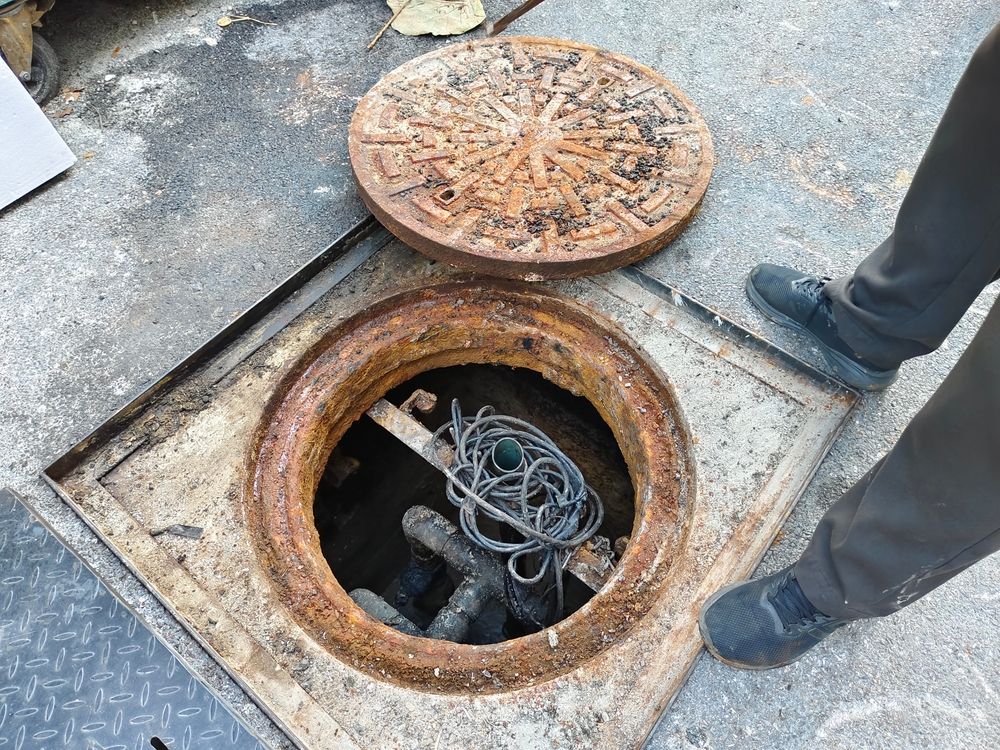
- How do you ensure the grease trap remains accessible after installation? We confirm lid placement with your site plan and maintain grade so that the access cover sits flush with pavement or within a traffic-rated frame, allowing service vehicles to pump the unit without digging.
- When does soil condition affect the installation timeline? Rocky ground, high groundwater, or loose fill can require additional equipment, dewatering pumps, or engineered bedding, and All Set Construction adjusts the scope and schedule when subsurface conditions differ from what the boring log predicted.
- Why does grading matter for grease trap performance? Improper slope or settling around the tank can create low spots that collect water, shift inlet and outlet elevations, or prevent grease from separating correctly inside the chamber.
- What happens if utilities cross the proposed trap location? We coordinate locates before excavation, adjust placement within the allowable area if conflicts appear, and work with your engineer to revise the layout without violating flow or access requirements.
All Set Construction keeps your grease trap project moving by handling excavation with attention to grade, access, and coordination, so your commercial kitchen opens on time and your system performs correctly from day one.