Straight Cuts for Lines That Stay in Place
Trenching in Boise for water lines, sewer systems, and electrical conduit that must meet depth and alignment standards
All Set Construction provides trenching for utility installation on residential and commercial properties throughout Boise, using equipment sized to match trench width, depth, and site access. You rely on this service when running new water service to a building, connecting sewer laterals, or burying electrical conduit below frost line. The trench has to be straight, sloped correctly, and dug to a depth that satisfies code without cutting too wide or damaging adjacent structures.
Trenching involves more than digging a line from point A to point B. The operator follows a marked path, maintains consistent depth using a laser or string line, and keeps trench walls stable enough for a plumber or electrician to work safely inside. In Boise, frost depth requirements and rocky subsoil mean trenches often go deeper than expected, and the crew adjusts bucket size or uses a rock tooth attachment when ledge is encountered.
If your project includes underground utility work, reach out to All Set Construction to confirm trench specs and coordinate timing with your other trades.
Why Trench Accuracy Matters for Long-Term Performance
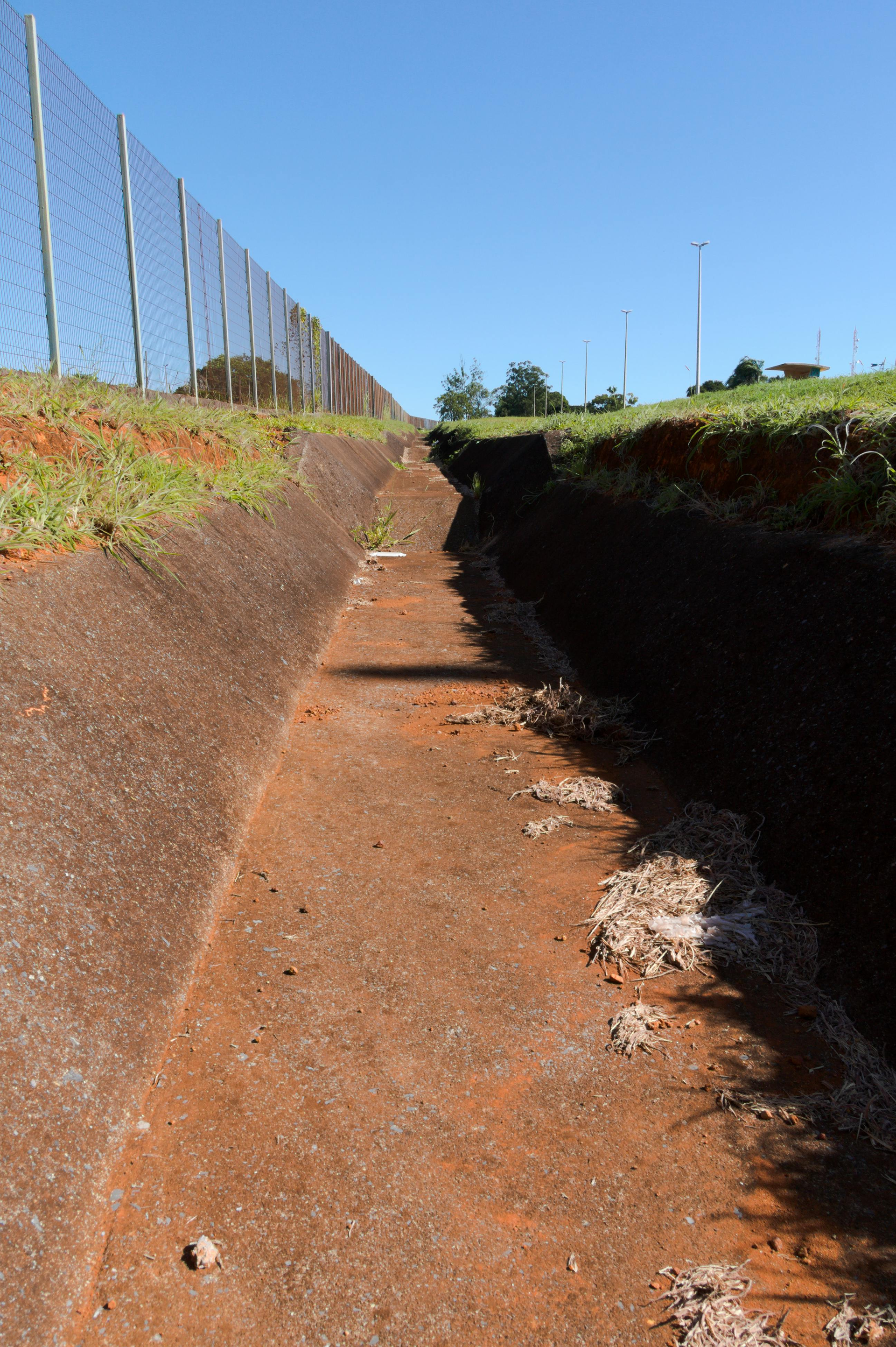
You'll see the trencher or excavator cut a path that's narrow enough to minimize backfill but wide enough for bedding material and pipe placement. The bottom of the trench is graded to match the required slope for drainage or kept level for pressurized lines. Spoil is piled on one side so installers have room to work without stepping over dirt mounds.
Once the trench is open, you'll notice clean walls and a smooth bottom free of rocks or roots that could damage pipe. All Set Construction doesn't leave voids under the trench floor or allow water to pool before the utility goes in. After the line is installed and inspected, backfill is placed in lifts and compacted to prevent settling that could crack pavement or shift landscaping.
Trenching depth and width follow the utility type—sewer lines need fall, water lines need cover, and electrical conduit needs protection from surface loads. The crew doesn't guess at slope or eyeball depth. Measurements are checked as the trench progresses, and adjustments are made before backfill starts.
Common Questions About Utility Trenching
Here's what property owners in Boise typically ask before trenching begins and how the work is managed on site.
- What width does a utility trench need to be? Width depends on pipe diameter and whether bedding material is required, but most residential water and sewer trenches are dug between 12 and 18 inches wide to allow room for installation without excess backfill.
- How is trench depth verified during excavation? All Set Construction uses a measuring tape, grade rod, or laser level at regular intervals to confirm the trench matches plan depth, especially when running long distances or crossing slopes.
- When can trenching damage existing utilities? Risk is highest near service entries, meter locations, and areas with older unmapped lines, so the crew hand-digs or uses vacuum excavation within two feet of marked utilities before bringing in the machine.
- Why does trench backfill settle after completion? If backfill isn't compacted in layers, voids remain and soil gradually collapses as water and traffic compress it, so the crew tamps or compacts fill in six- to twelve-inch lifts as the trench is closed.
- What site conditions delay trenching work in Boise? Saturated soil from irrigation or snowmelt can cause trench walls to slump, and frozen ground in winter requires different equipment, so scheduling around weather and soil moisture improves safety and trench stability.
All Set Construction coordinates with plumbers, electricians, and inspectors to keep trenching aligned with your project timeline. Call (208) 585-8860 to review your utility layout and confirm trench requirements.